Updated On: November 10, 2025 by   Fatma Mohamed   Fatma Mohamed  

Succession: A Deep Dive into HBO's Most Compelling Drama

Succession: A Deep Dive into HBO’s Most Compelling Drama

When HBO’s “Succession” premiered in 2018, few could have predicted the cultural juggernaut it would become. Created by Jesse Armstrong, this savage satire of wealth, power, and family dysfunction has evolved from a critically-acclaimed sleeper hit into one of the most celebrated television dramas of the modern era. Following the Roy family—owners of global media […]

/10

Review

When HBO’s “Succession” premiered in 2018, few could have predicted the cultural juggernaut it would become. Created by Jesse Armstrong, this savage satire of wealth, power, and family dysfunction has evolved from a critically-acclaimed sleeper hit into one of the most celebrated television dramas of the modern era. Following the Roy family—owners of global media conglomerate Waystar Royco—the series offers a scathing examination of America’s ultra-wealthy elite and the corrosive nature of unchecked capitalism.

At its heart, “Succession” is a story about patriarchy, legacy, and the desperate, often pathetic scramble for validation from a father who views love as a transaction and his children as pawns in a lifelong power game. What makes the show truly exceptional isn’t just its unflinching portrayal of billionaire sociopathy, but how it manages to make its deeply unlikeable characters so utterly compelling. Through four meticulously crafted seasons, “Succession” has established itself as television’s premier drama, collecting awards, critical acclaim, and a passionate fanbase obsessed with its every narrative twist and caustic one-liner.

The Roy Family: Shakespeare in Cashmere

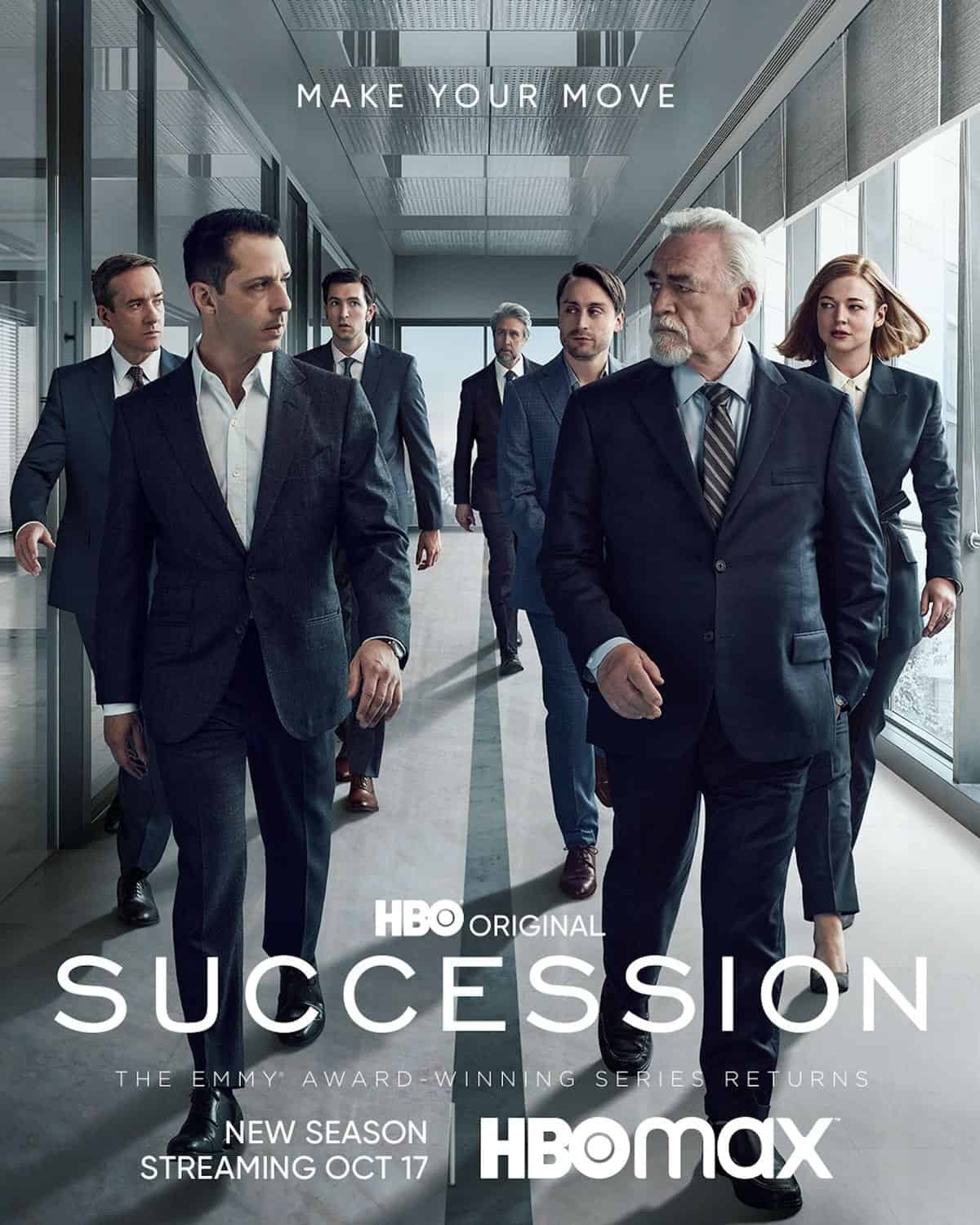
The central figure of “Succession” is Logan Roy (Brian Cox), the ageing, Scottish-born media mogul whose looming mortality sets the series in motion. Cox’s performance as Logan is nothing short of masterful—a terrifying portrait of patriarchal tyranny wrapped in capitalist brutality. With his signature growl and weaponised profanity, Logan embodies the very worst of wealth and power, yet Cox infuses the character with enough humanity to make him more than a one-dimensional villain.

Circling Logan like vultures awaiting a corpse are his children: Kendall (Jeremy Strong), Roman (Kieran Culkin), Shiv (Sarah Snook), and Connor (Alan Ruck). Each represents a different facet of inherited privilege and the psychological damage inflicted by Logan’s parenting. Strong’s Kendall is perhaps the show’s tragic centre, a would-be usurper whose cocaine-fuelled bravado masks crippling insecurity and a desperate need for his father’s approval. Strong’s much-discussed method approach to the role results in one of television’s most layered performances—a man constantly tottering between corporate ruthlessness and complete emotional collapse.

Culkin’s Roman provides the show’s darkest comic relief, a perpetually adolescent provocateur whose quips serve as armour against genuine human connection. Snook’s Shiv navigates the additional challenges of being the only daughter in this patriarchal hellscape, her political savvy and ambition consistently undermined by her father’s misogyny and her own self-sabotage. Ruck’s Connor, the oft-forgotten eldest son, exists in a delusional bubble of privilege, pursuing vanity presidential campaigns and collecting obscure historical artefacts while remaining peripheral to the main power struggle.

The supporting cast is equally phenomenal. Matthew Macfadyen’s Tom Wambsgans, Shiv’s husband and corporate climber, provides both cringe-worthy comedy and surprising emotional depth as he navigates his outsider status. Nicholas Braun’s Cousin Greg, the gangly relative seeking a foothold in the family business, offers an audience surrogate of sorts—though his moral corruption proves just as inevitable as anyone bearing the Roy name. J. Smith-Cameron’s Gerri Kellman, the company’s general counsel, represents one of television’s most nuanced portrayals of female corporate power, while Hiam Abbass brings quiet dignity to Marcia, Logan’s third wife, whose calculation rivals that of her husband.

Writing and Dialogue: Verbal Warfare as High Art

“Succession” features some of the finest dialogue ever written for television. The writers’ room, led by creator Jesse Armstrong, crafts language that blends Shakespearean power struggles with contemporary corporate jargon and devastatingly precise insults. The dialogue crackles with energy, whether in boardroom showdowns, family dinner confrontations, or whispered conspiracies in mansion corridors. Characters weaponise words with surgical precision, each conversation a battlefield where alliances form and shatter with remarkable speed.

What makes the writing truly exceptional is how it reveals character through language. Roman’s crude jokes mask deep insecurity. Kendall’s corporate platitudes barely conceal his desperation. Shiv’s political manoeuvring exposes her belief that she’s the smartest person in any room. Logan’s profanity-laced tirades demonstrate his view of language as just another tool to dominate others. Even silent moments speak volumes, with characters often communicating more through what remains unsaid than through their actual words.

The show’s signature blend of cruelty and comedy creates a viewing experience unlike any other, forcing audiences to laugh at behaviour that should horrify them. This uncomfortable fusion mirrors the characters’ own detachment from normal human empathy, inviting viewers to become complicit in the Roys’ warped worldview even as they judge it.

Direction and Cinematography: Wealth Under a Microscope

Visually, “Succession” employs a distinctive aesthetic that subverts expectations about how wealth appears on screen. Rather than glamourising the Roys’ extravagant lifestyle, director Mark Mylod and the cinematography team create a clinical, almost documentary-like approach to filming opulence. The camera work—often handheld and intrusive—scrutinises luxury rather than celebrating it, examining private jets, Manhattan penthouses, and European villas with the same detached curiosity one might apply to specimens under glass.

The series makes brilliant use of location as metaphor. The towering glass Waystar headquarters represents the transparency the company publicly claims while concealing countless secrets. Logan’s apartment, with its fortress-like security and imposing décor, embodies his isolation from normal human experience. Family gatherings at palatial countryside retreats highlight how even in paradise, the Roys cannot escape their dysfunctional dynamics.

Nicholas Britell’s Emmy-winning musical score deserves special mention. The opening theme—with its melancholy piano and discordant strings—perfectly captures the show’s fusion of classical power struggles and modern corporate malaise. Throughout the series, Britell’s music provides emotional counterpoint to scenes where characters themselves cannot express genuine feeling, creating a sonic landscape as complex and contradictory as the Roy family itself.

Themes: Power, Capitalism, and Family Trauma

Behind its satirical facade, “Succession” offers a devastating critique of late-stage capitalism and the families who profit from it. The show examines how extreme wealth warps human relationships, turning family bonds into business transactions and reducing love to another commodity to be negotiated. The Roy siblings’ psychological damage stems directly from growing up in an environment where affection was conditional upon usefulness to the corporate empire.

The series also explores the generational divides in American capitalism. Logan represents old-school, brass-knuckles business tactics—direct, brutal, and unapologetically merciless. His children navigate a world where corporate power must at least pretend to care about social responsibility, diversity, and public perception. This conflict between old and new approaches to wielding influence provides much of the show’s dramatic tension, particularly in storylines involving company scandals and congressional hearings.

Perhaps most compelling is the show’s examination of inheritance—not just of wealth and corporate power, but of trauma and dysfunction. As much as the Roy children might claim to reject their father’s methods, they cannot help reproducing his cruelty, manipulation, and emotional detachment in their own lives. The show poses the question: even if one of them successfully claims Logan’s throne, can they ever truly escape becoming him?

Cultural Impact: Eat the Rich Television

“Succession” arrived at a pivotal moment in American culture, when public discourse around wealth inequality, corporate malfeasance, and the influence of media empires on democracy had reached new intensity. The series doesn’t simply reflect these conversations but deepens them, providing a fictionalised but psychologically insightful portrait of how power actually functions behind closed doors.

The show has spawned countless memes, podcast analyses, and social media discourse. Phrases like “boar on the floor,” “you can’t make a Tomelette without breaking some Greggs,” and Logan’s signature dismissal “f*** off” have entered the popular lexicon. Fashion publications dissect the characters’ “stealth wealth” wardrobes, while business schools analyse the show’s portrayal of corporate strategy and family business succession planning.

What makes this cultural impact particularly fascinating is how a show about fundamentally terrible people has inspired such audience investment. Viewers debate Team Kendall versus Team Roman, analyse Shiv’s tactical missteps, and cheer Tom’s rare victories despite the fact that none of these characters would be remotely likeable in real life. This paradox speaks to Armstrong’s achievement in creating villains so complex and human that audiences cannot help but see reflections of their own ambitions, insecurities, and family dynamics in these billionaire monsters.

Critical Reception and Awards: Television’s Crown Jewel

“Succession” has been awarded television’s highest honours throughout its run. The series has collected multiple Emmy Awards, including Outstanding Drama Series, with individual cast members regularly dominating acting categories. Critics have been nearly unanimous in their praise, with many declaring it the finest drama of its era.

What separates “Succession” from other critically acclaimed prestige dramas is its remarkable consistency. While many great shows experience creative ups and downs, Armstrong and his team have maintained extraordinary quality control across all seasons. The writing remains razor-sharp, performances continue to surprise and deepen, and the show’s technical elements—from direction to editing to sound design—remain impeccable.

Perhaps most impressively, “Succession” has managed to remain culturally relevant and critically respected while steadily growing its audience—a rare feat in an increasingly fragmented television landscape. Its viewership has climbed with each season, proving that genuine artistic excellence can still find commercial success even in an age of algorithm-driven content creation.

Conclusion

As “Succession” concluded its run, it leaves behind a television landscape forever changed by its influence. Future examinations of wealth, power, and family dynamics will inevitably be compared to Armstrong’s creation. The show’s legacy rests not just in its accolades or cultural impact, but in how it elevated television storytelling through its unflinching commitment to character-driven narrative and thematic depth.

The Roy family saga ultimately stands as a modern American tragedy—a cautionary tale about capitalism’s corrupting influence and the hollow victory of winning at all costs. In an era when billionaires wield unprecedented influence over society, “Succession” provides not just entertainment but essential cultural commentary. By making its audience laugh at, empathise with, and ultimately understand the psychology of the ultra-wealthy, the series accomplishes something remarkable: it humanises the powerful without ever excusing their actions.

For anyone who hasn’t yet experienced “Succession,” all episodes are available on HBO Max. Those who appreciate nuanced character studies, razor-sharp dialogue, and unflinching social commentary will find it among the finest television ever produced. Just be prepared—after spending time with the Roys, you may never view wealth and power quite the same way again.

In its perfect blend of Shakespearean tragedy, media satire, and family drama, “Succession” has earned its place in the pantheon of television greatness. It will be studied, discussed, and revisited for decades to come—a testament to what television can achieve when exceptional writing, acting, and direction align to examine the darkest corners of contemporary society.

Leave a comment

Your email address will not be published. Required fields are marked *

This website uses cookies to enhance your browsing experience and ensure the site functions properly. By continuing to use this site, you acknowledge and accept our use of cookies.

Accept All Accept Required Only